

Spend and save:
*Spend £35 save £5
Spend £50 save £10
*Offer applies automatically at basket. Valid for specific product only (Exclusions apply).
Spend and save:
*Spend £35 save £5
Spend £50 save £10
*Offer applies automatically at basket. Valid for specific product only (Exclusions apply).
Explore our target areas






Added to your basket
Quantity
Subtotal: ( items in your basket)
Shop Our Range
Added to your basket
Quantity
Subtotal: ( items in your basket)
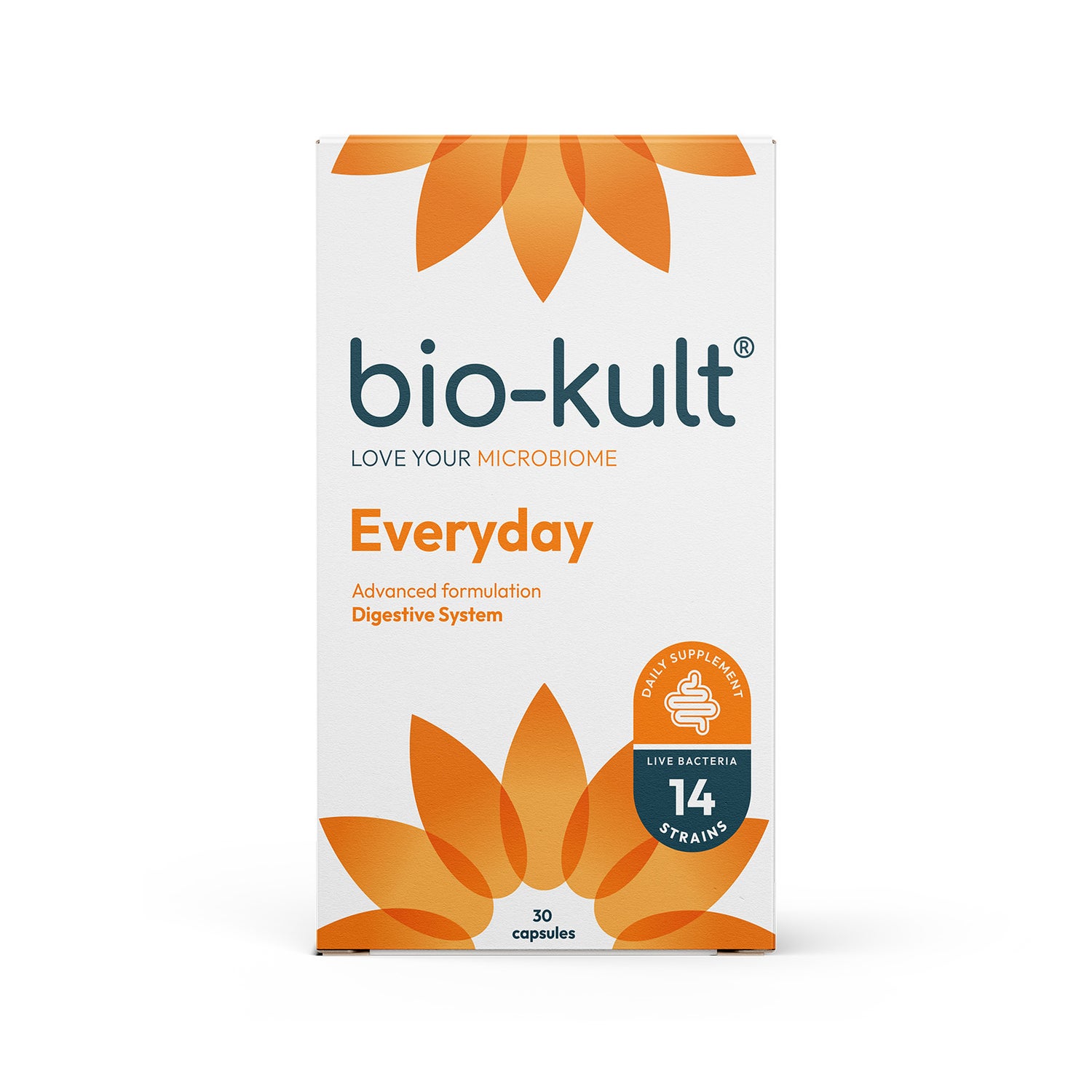
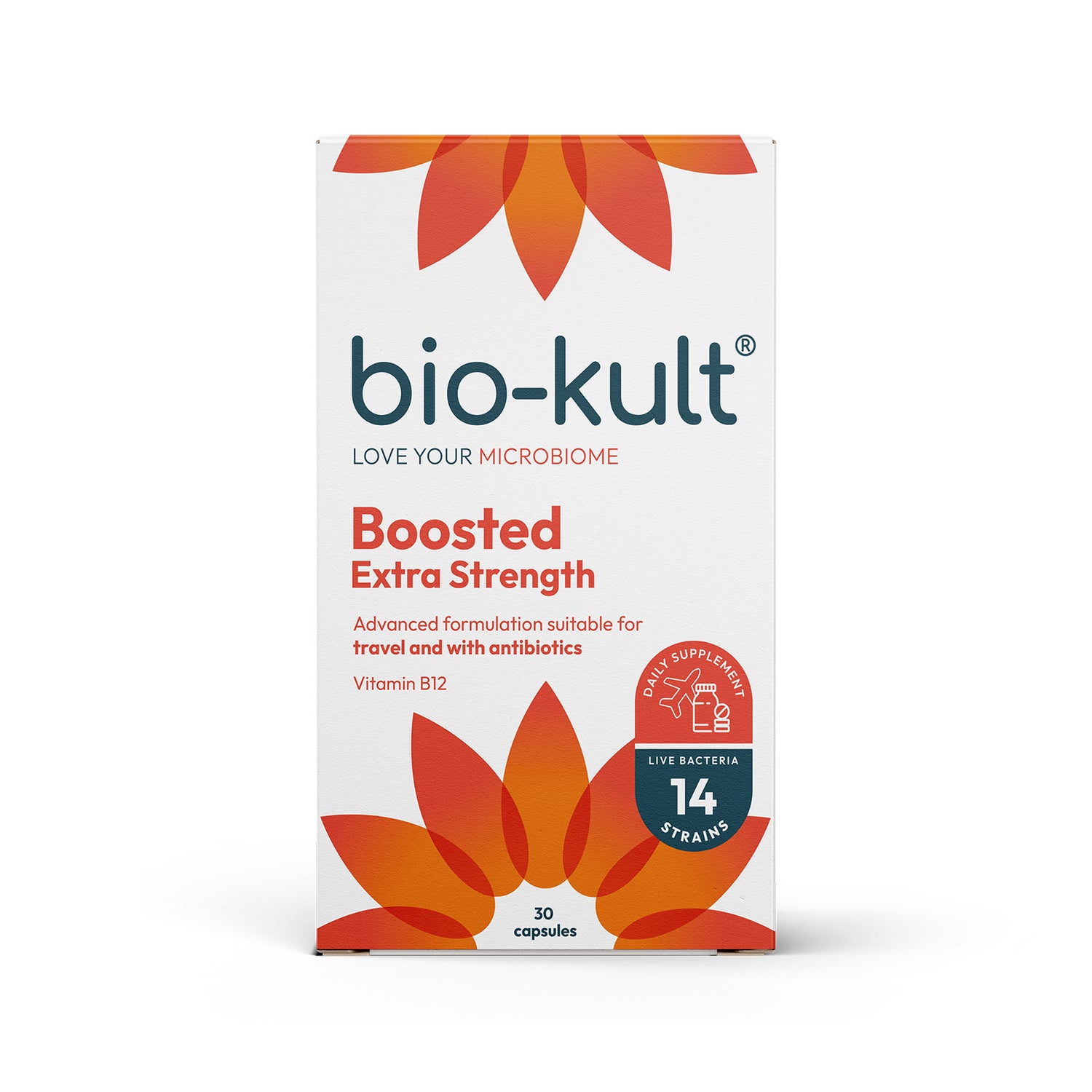
Bio-Kult Boosted
Spend and save up £10
Spend £35 save £5
Spend £50 save £10.
Offer applies automatically at basket. Valid for specific products only.
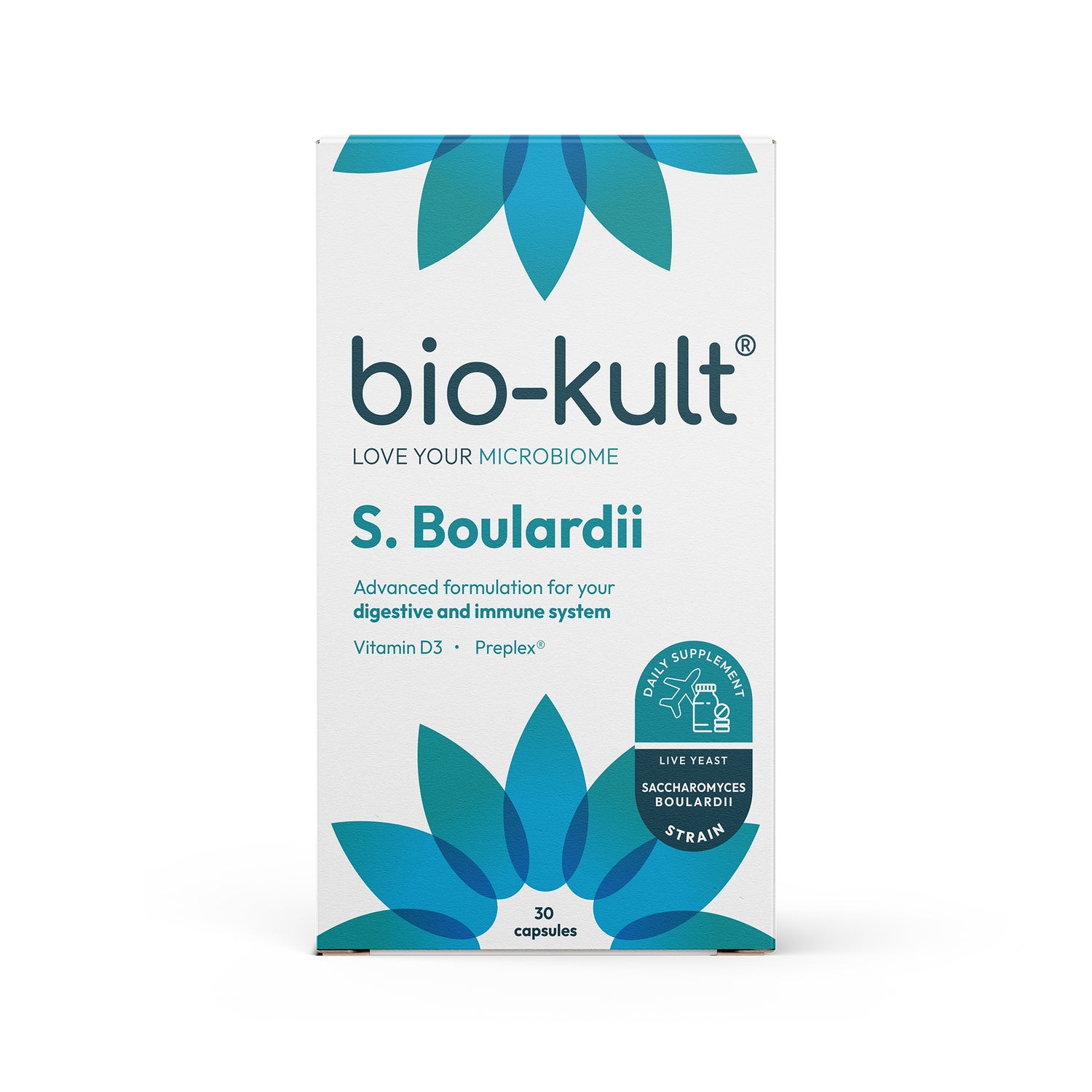
Bio-Kult S. Boulardii
Spend and save up £10
Spend £35 save £5
Spend £50 save £10.
Offer applies automatically at basket. Valid for specific products only.
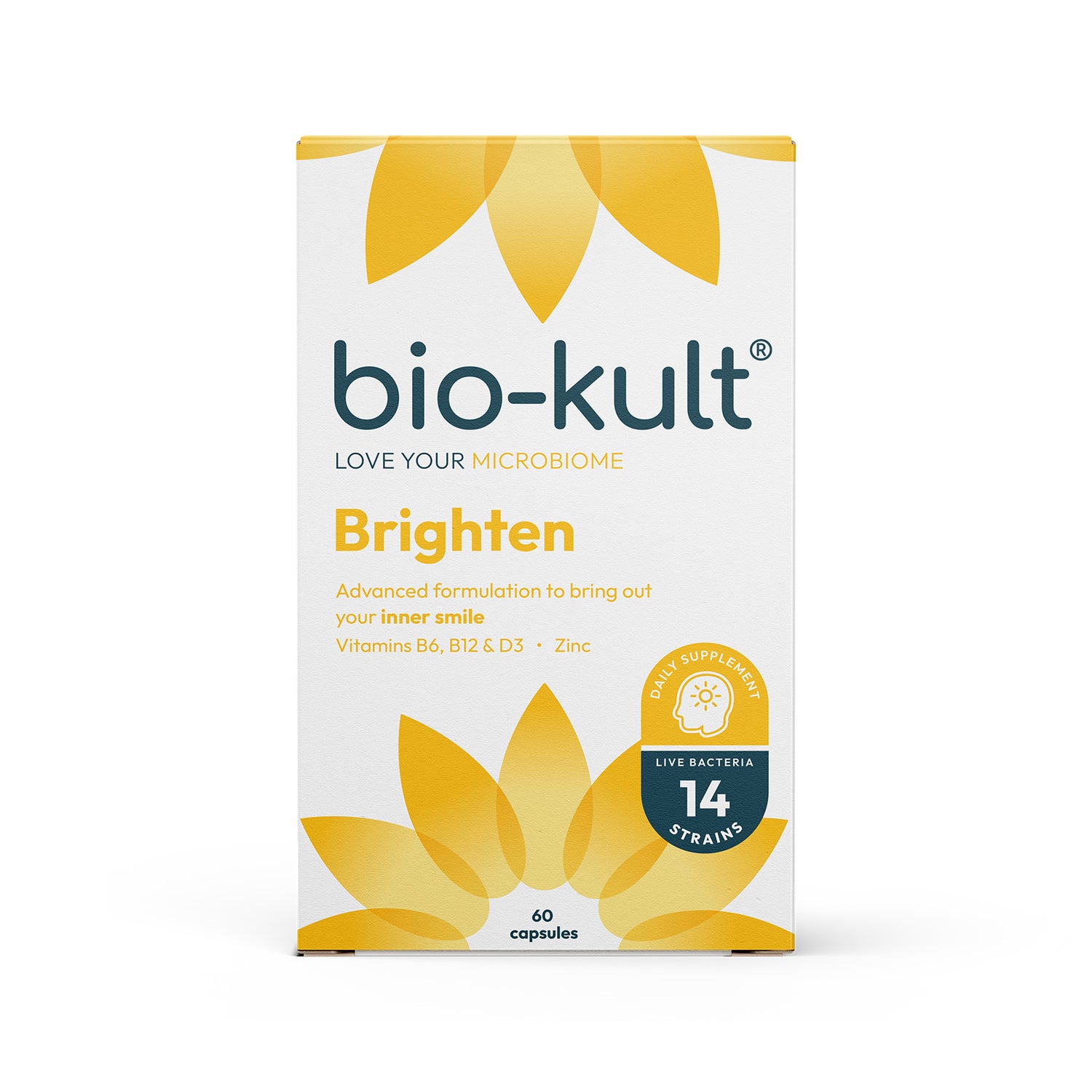
Bio-Kult Brighten
Spend and save up £10
Spend £35 save £5
Spend £50 save £10.
Offer applies automatically at basket. Valid for specific products only.
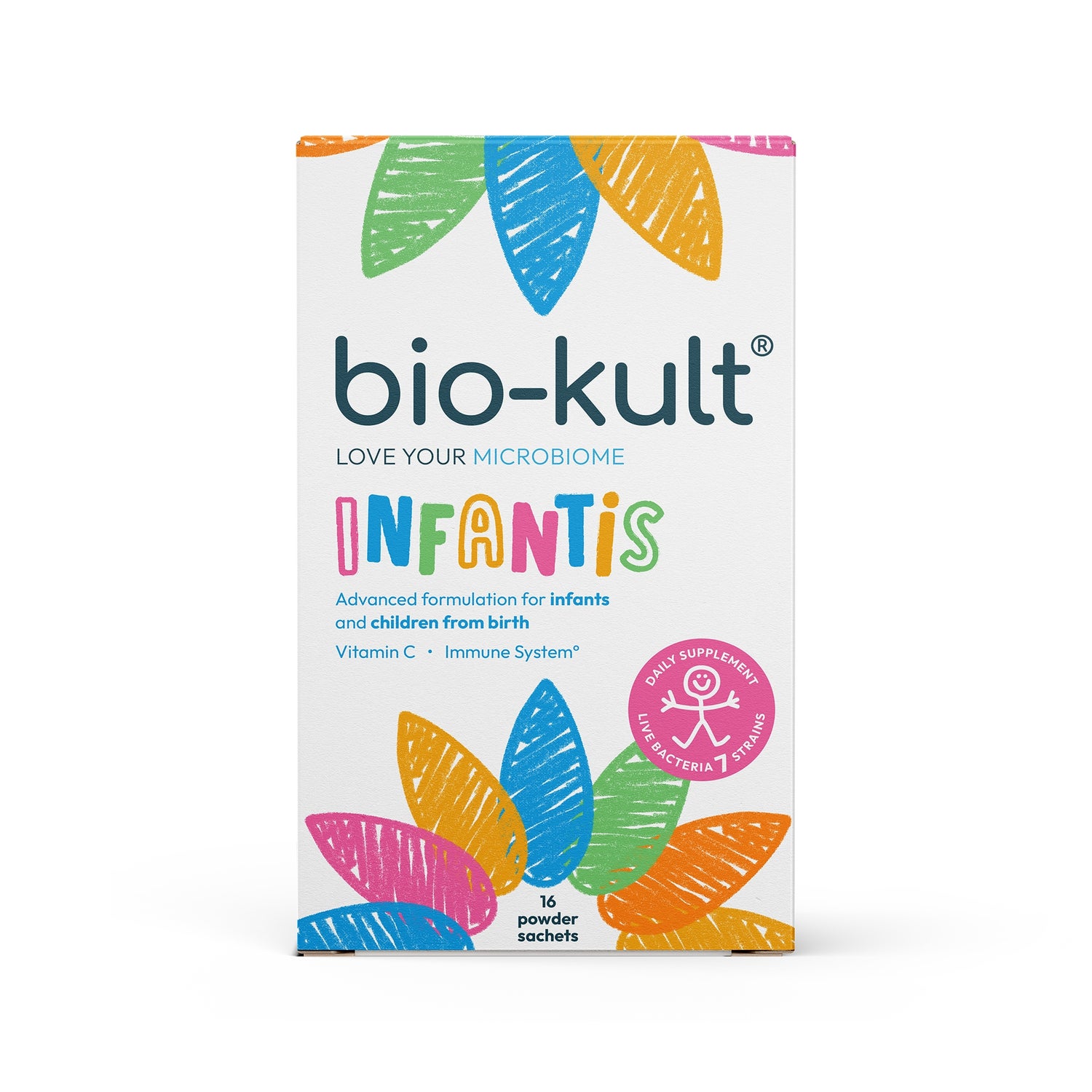
Bio-Kult Infantis -Vitamin C
Spend and save up £10
Spend £35 save £5
Spend £50 save £10.
Offer applies automatically at basket. Valid for specific products only.
Added to your basket
Quantity
Subtotal: ( items in your basket)
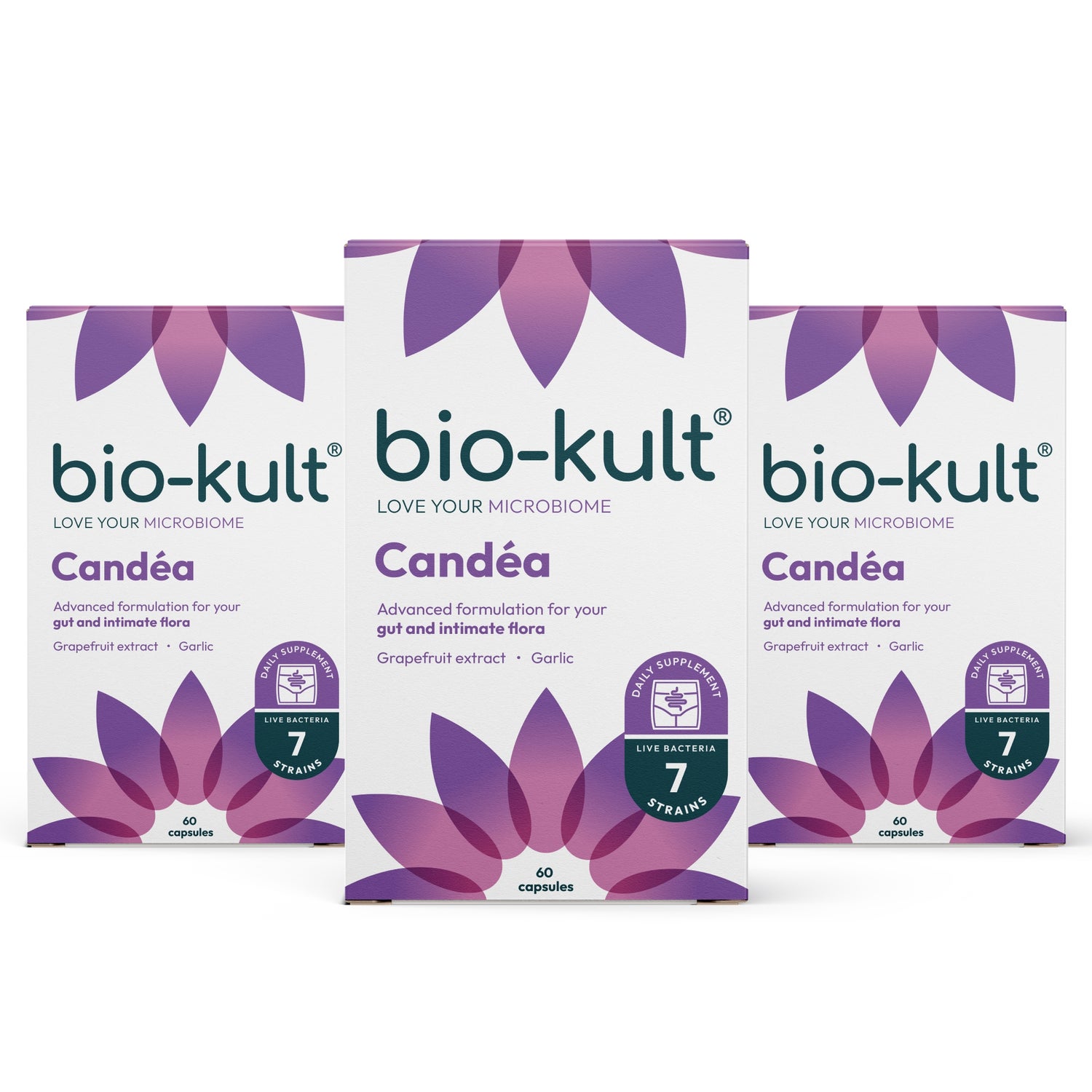
Candea 90 Day Pack
Spend and save up £10
Spend £35 save £5
Spend £50 save £10.
Offer applies automatically at basket. Valid for specific products only.
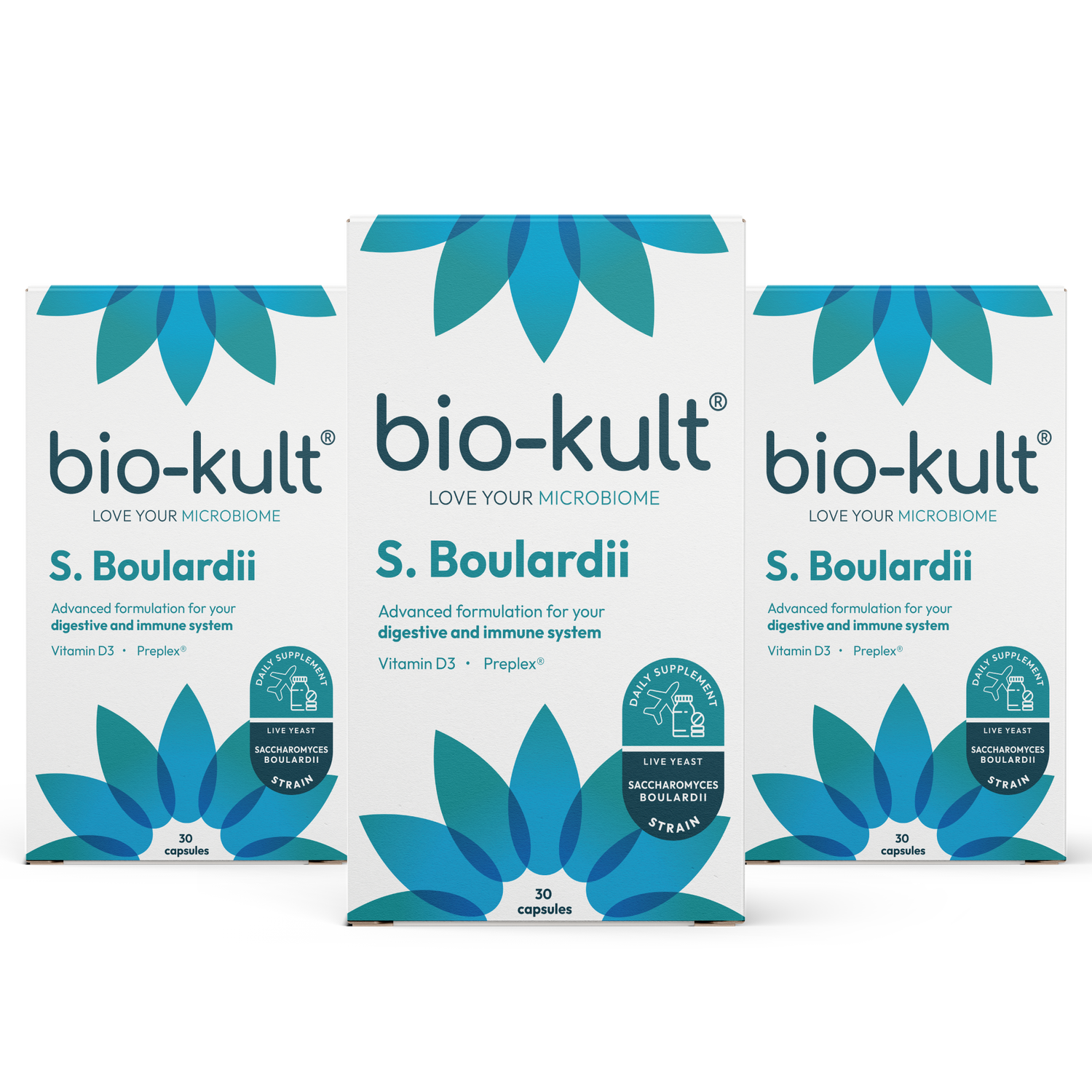
Bio-Kult S. Boulardii 90 Day Pack
Spend and save up £10
Spend £35 save £5
Spend £50 save £10.
Offer applies automatically at basket. Valid for specific products only.
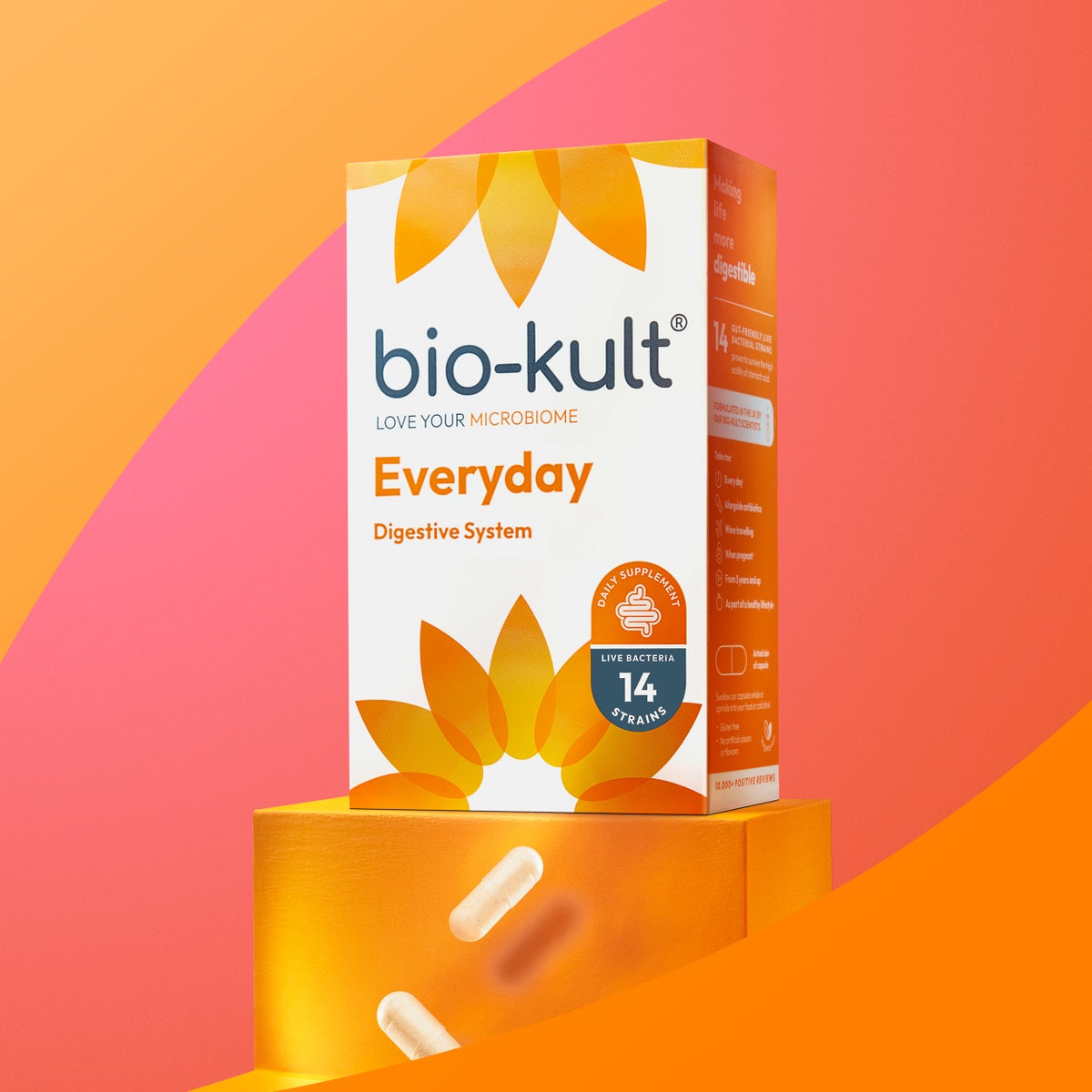
Bio-Kult is the No.1 and fastest growing Digestive Health Supplement brand in Great Britain.*
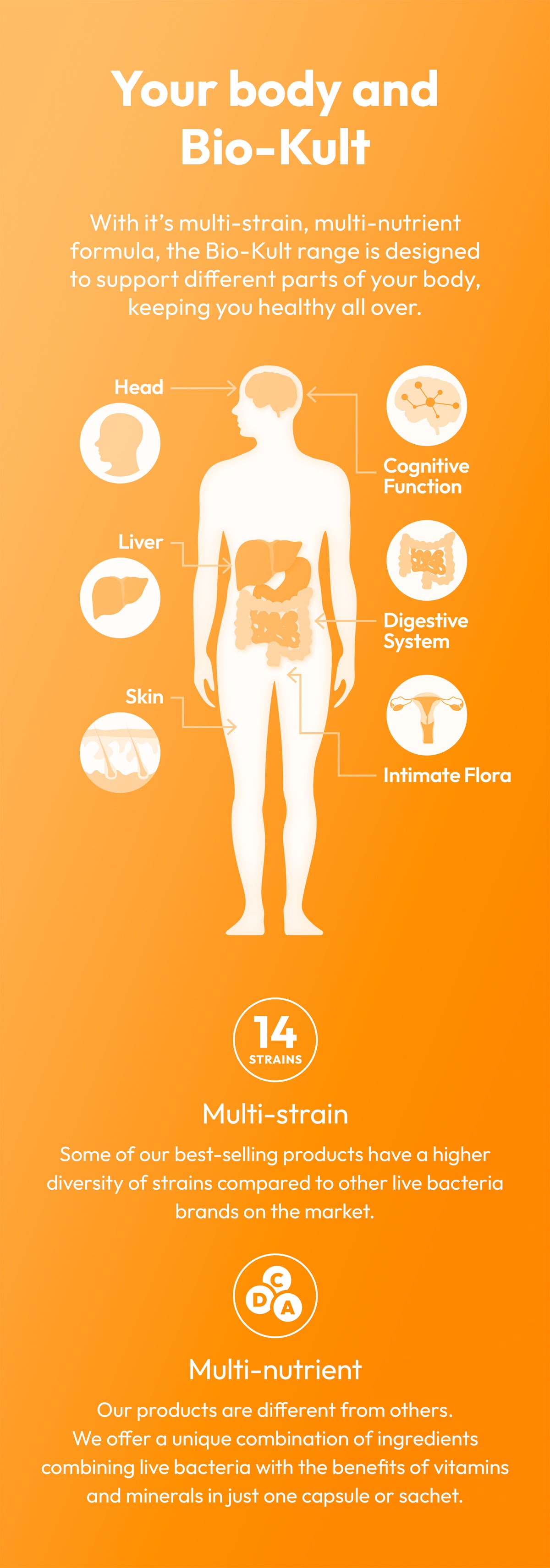
Your gut impacts all areas of your wellbeing.
Did you know that up to 70% of your immune system can be found in the gut? Support your whole body health and start feeling Gut Great.



Gut Club
We want to help every body keep a healthy gut. Head to our Gut Club for hints and tips on how to keep your insides in shape.





Source: *Kantar FMCG purchase panel – Sales Values - Vitamins & Mineral Supplements – Digestive Health – Great Britain, 52 w.e. 01/10/23.